Today, more cities are recognising that art is not just decoration, but an essential part of urban life. Murals and street art create places where people want to spend time and strengthen the sense of belonging – for both locals and visitors.
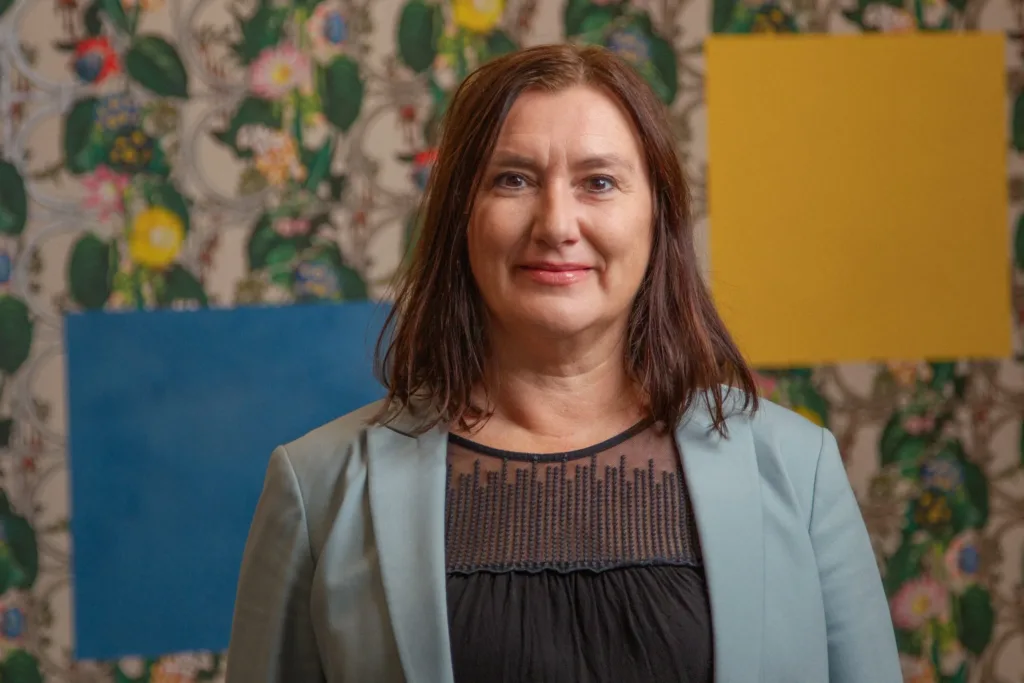
– “Public art makes the city more inviting and accessible. It creates encounters between people who might otherwise never have crossed paths,” says Malin Sparrvardt. She works under the artist name Korallpionen.
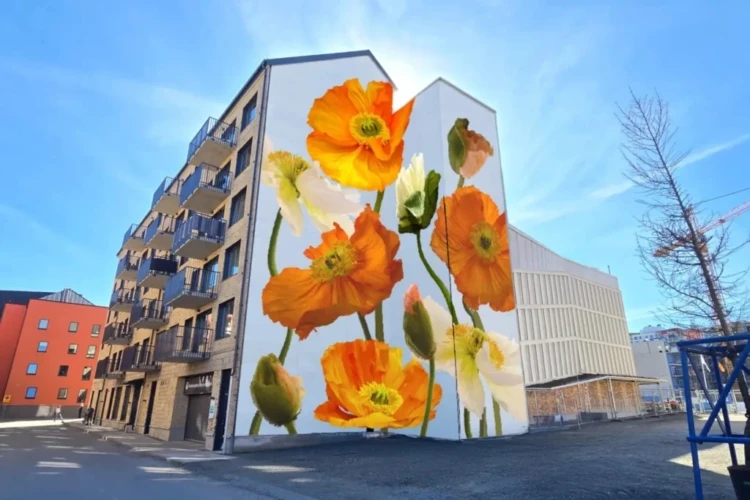
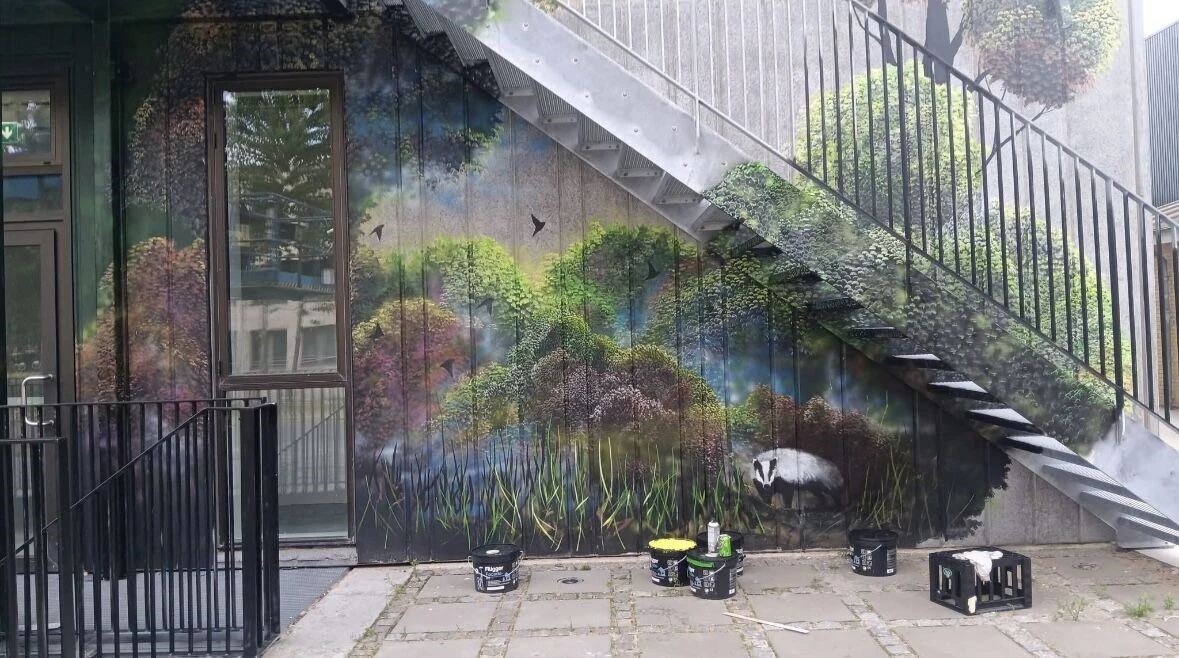
Malin draws her inspiration from nature. Her works often feature flowers and natural motifs, but are always shaped by the architecture, history and surroundings of the location.
At Flügger, we are also noticing a clear increase in the interest in street art.
– “In recent years, we have received several inquiries from cities and residential areas that want to use art strategically in public spaces. This shows that street art is no longer considered mere decoration, but rather a tool for creating a lively urban environment,” says Charlotte Ottesen-Hansen, SVP for Brand & Business Development at Flügger.
From street art to urban icon
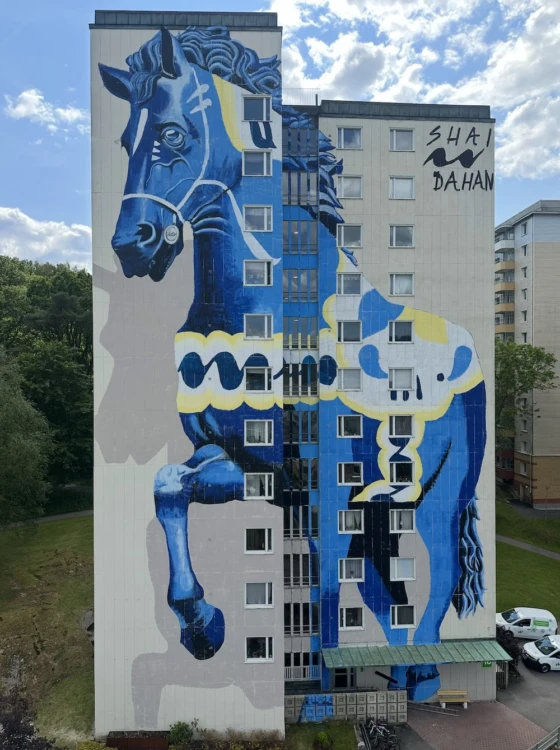
Shai Dahan started out as a teenager doing graffiti in Los Angeles. Today, he tells stories about people, places and culture through his monumental works.
– “Art is a language that speaks to everyone. I want to create artworks that become landmarks and evoke emotions. If I can make just one person happy with my murals, I have succeeded,” says Shai Dahan.
Shai is known for his Dala horse paintings, which can be found in London, South Africa and New York, as well as the world’s largest Dala horse in Partille, created with paint from Flügger. Both Shai and Malin emphasise that the artworks should harmonise with their surroundings and live on as part of the urban environment.
Movable murals
Sustainability is central to both artists. The choice of materials and paint ensures that the works can withstand weather and wear.
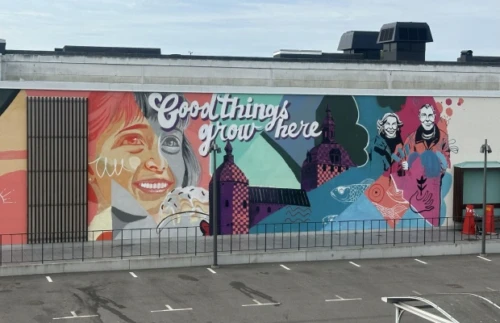
An example is Malin’s mural for AB Kristianstad in Sweden, painted on 190 façade panels. The work, sponsored by Flügger, is the world’s first moveable large-format mural, which will later be distributed across eight residential areas.
– “We wanted to create something that could live on and spread joy in more places around the city. It was a challenge, but also absolutely fantastic,” says Malin Sparrvardt.
The city of the future
As cities grow, it becomes increasingly important to create spaces that feel human and meaningful. Street art can play a central role – not only as decoration, but as a social power.
– “Art makes our shared spaces more beautiful and vibrant. It reminds us that the city is not just buildings and traffic, but people, emotions and stories,” says Shai Dahan, adding:
– “The city of the future will be a gallery without walls. Art is for everyone, regardless of age, background or language. That is what makes it so powerful.“

 +45 27 53 28 99